Industries • lumber yard forklifts kansas
Lumber & Building Materials
Lumber & Building Materials are built around the pace, surfaces, loads, and seasonal pressure common to Kansas operations. We help you choose practical equipment and service coverage for the work in front of you.
The best equipment plan in this environment usually balances uptime, operator needs, maintenance timing, and room for seasonal change.
How This Industry Works Day to Day
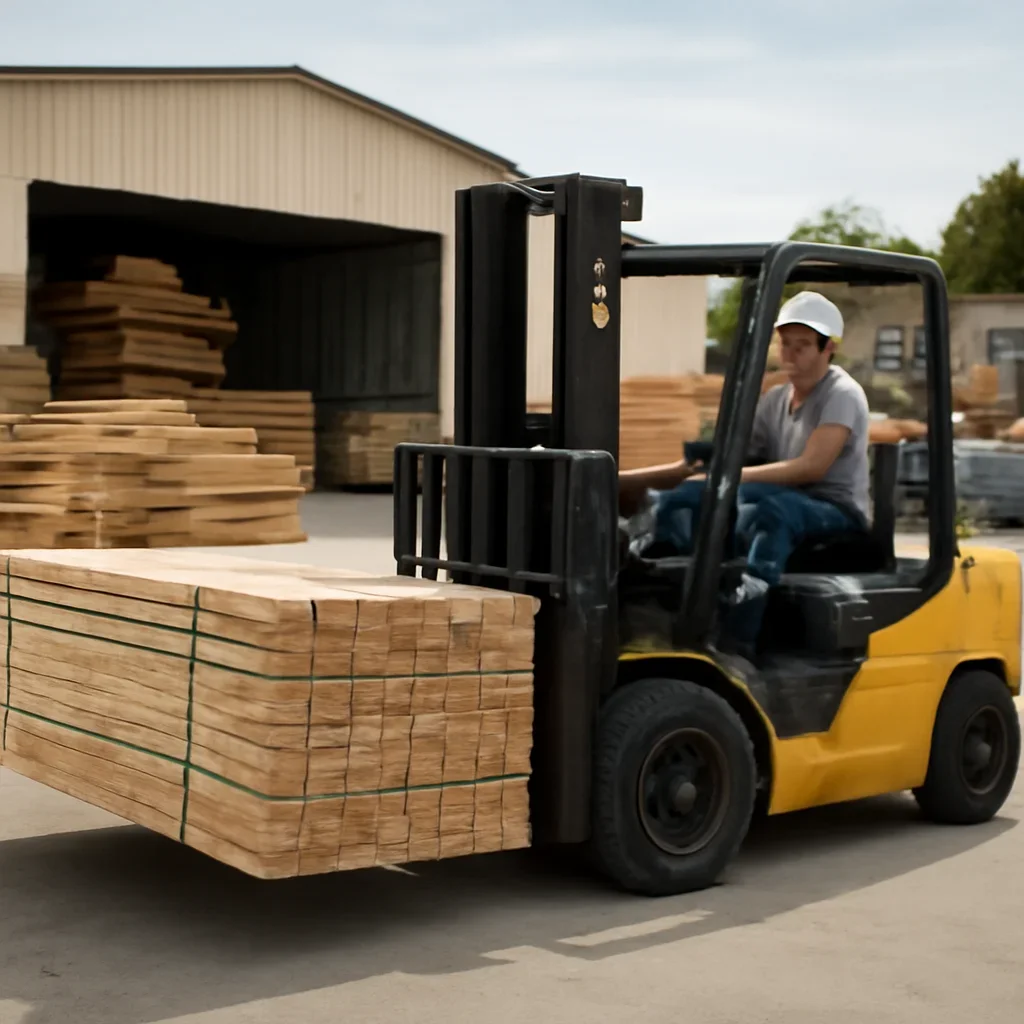
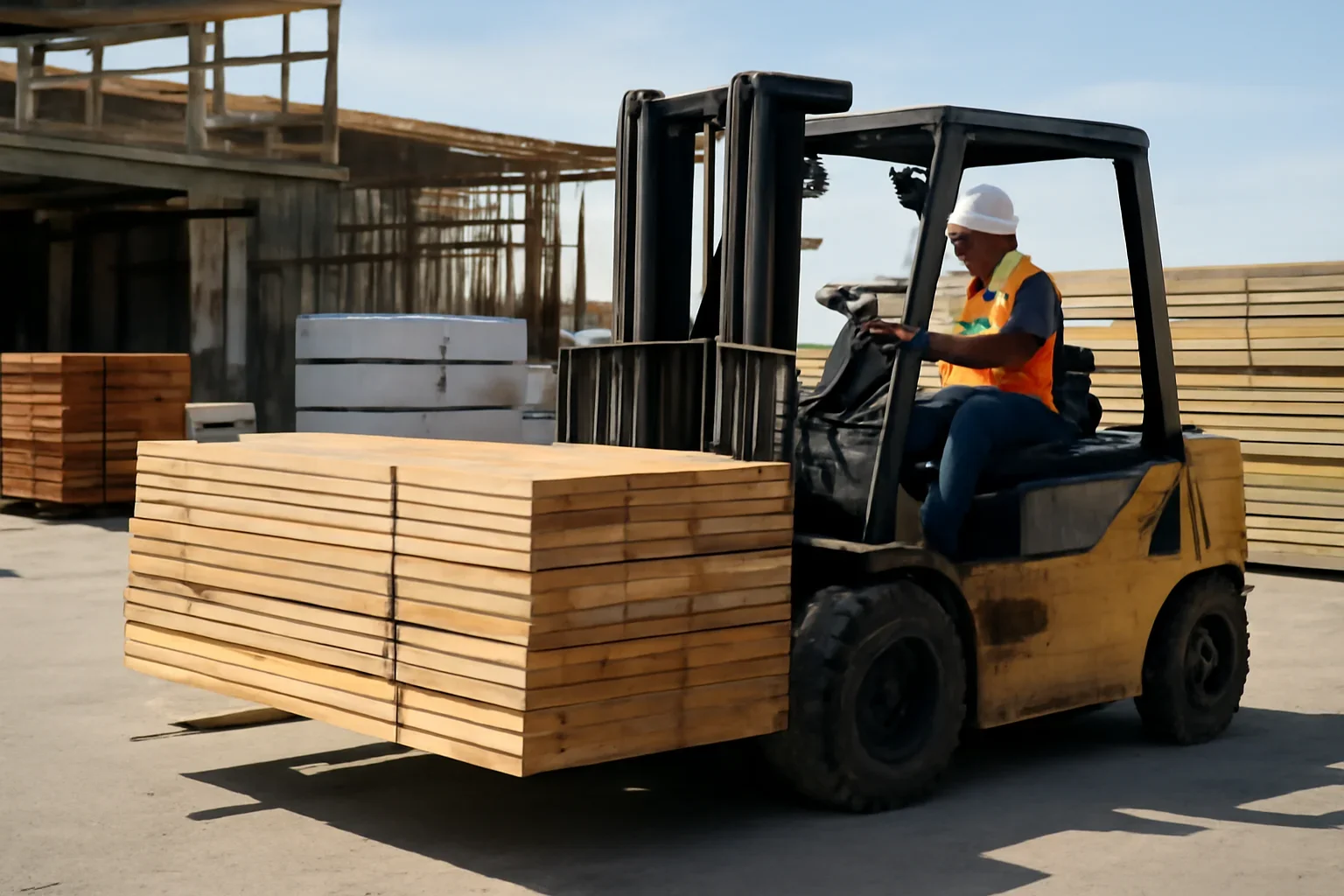
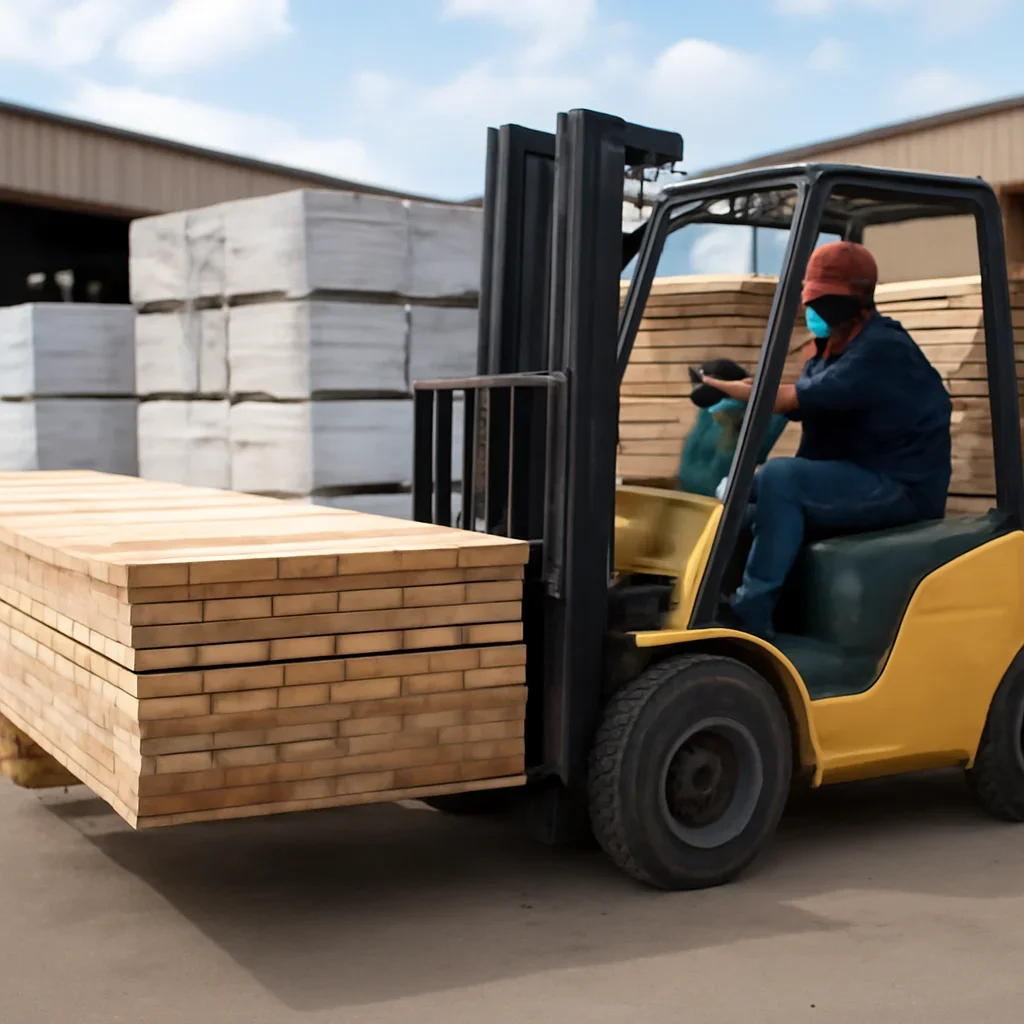
Long loads, outdoor handling, and yard movement create a demanding daily environment.
Truck stability, tire choice, and attachment fit matter as much as rated capacity.
A support plan has to account for weather, surface conditions, and the cost of a truck sitting idle during busy hours.
That is why support often includes more than one service line. Rental flexibility, planned maintenance, parts coordination, mobile repair, and replacement planning all work together when the operation is under pressure.
What We Help Teams Solve
Choosing forklifts and related support based on load shape, capacity, turning space, floor or yard conditions, and operator workflow.
Reducing avoidable disruption with a better mix of maintenance timing, service response, and temporary coverage when needed.
Helping operations decide whether the next move should be rental, repair, used equipment, new equipment, or a staged fleet transition.
Support That Fits the Work
Lumber & Building Materials are easier to manage when the equipment conversation starts with real operating pressure rather than generic product categories. Our team works with the details that shape the job, then connects you with a workable path.
You can also explore Forklift Rentals, Planned Maintenance, Fleet Management, and Contact for a more direct next step.
Common Questions
Do you only help larger businesses in this industry?
No. Smaller facilities and growing operations often benefit just as much from better equipment fit and service timing.
Can you help with mixed indoor and outdoor work?
Yes. Many Kansas operations move between warehouses, yards, docks, and open surfaces, so support has to reflect that blend.
Is this mainly about buying equipment?
Not at all. Many conversations start with rentals, parts, repair, or maintenance planning before a purchase is even considered.
What should I tell you first?
Share the load type, environment, busiest season, and the problem slowing the operation down. That is enough to get started.
Better Decisions, Less Guessing
Operations teams usually know where the pressure points are. Our job is to turn that information into a more usable equipment and service plan that supports the work without making the process harder than it needs to be.