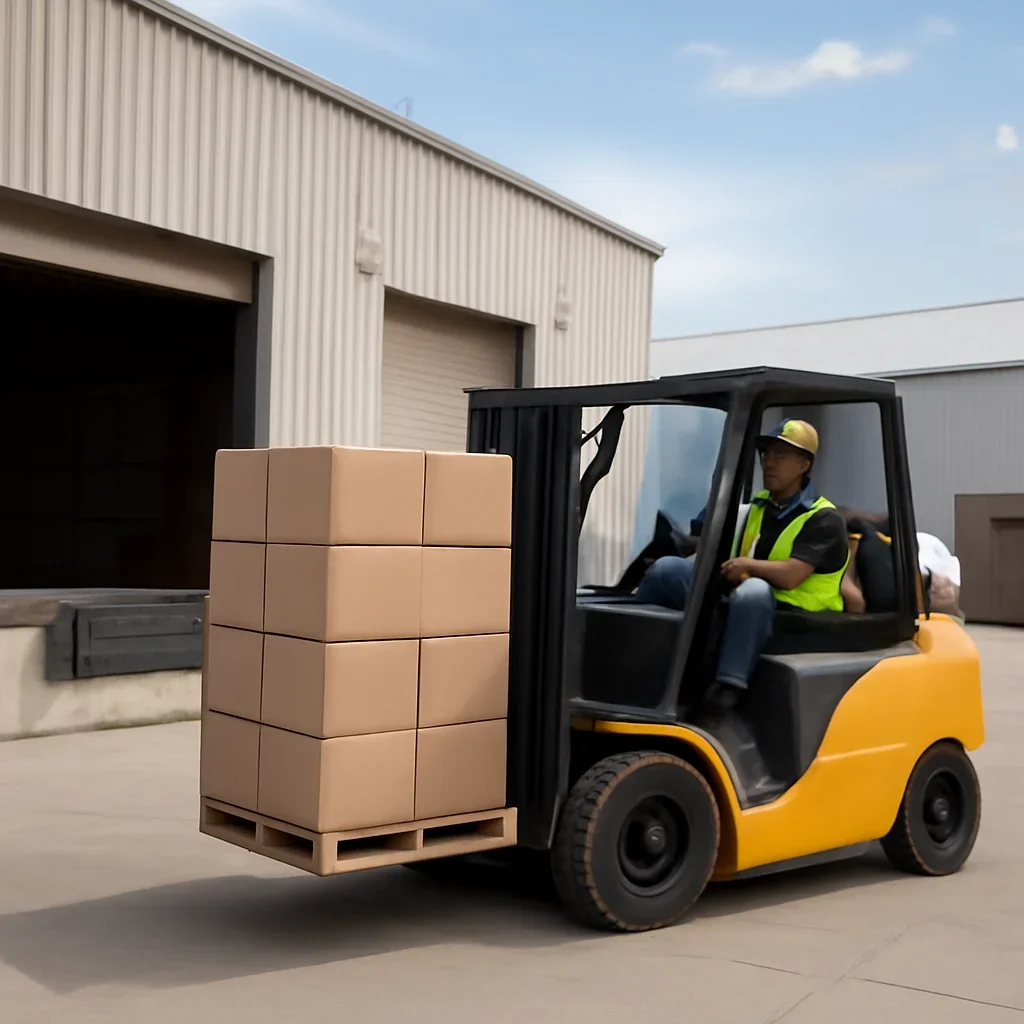
Solutions • loading dock forklift solutions kansas
Loading Dock Operations
Loading Dock Operations starts with the way your operation actually works on the floor, in the yard, or at the dock. Our team helps you match equipment, service timing, and replacement planning to that demand.
The right solution usually combines equipment fit, service timing, and enough flexibility to handle changing workloads.
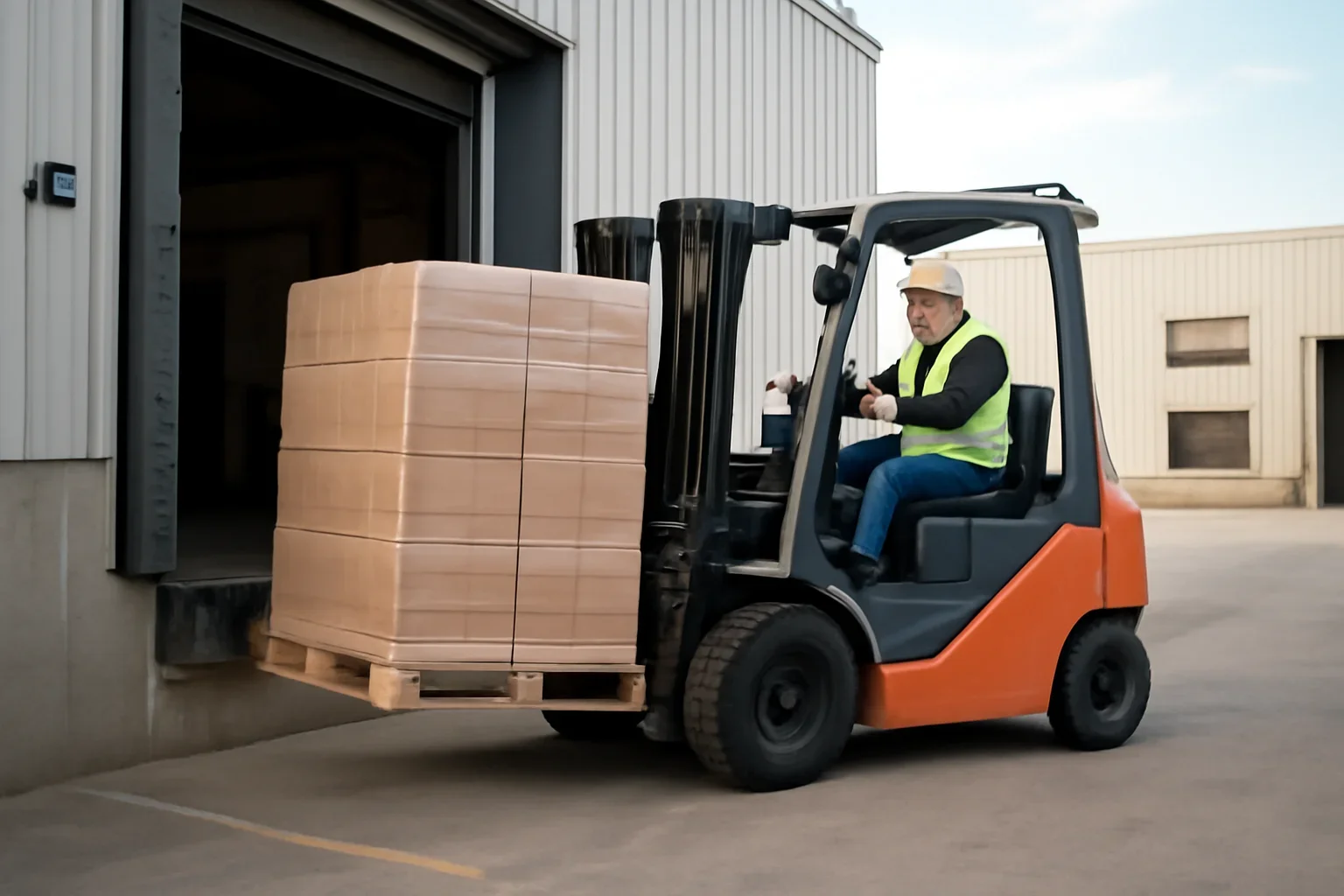
Where This Solution Fits
Dock flow depends on reliable trucks that can handle trailers, quick staging, and repetitive movement without delay.
The right tires, lift height, and attachment choices help reduce wasted touches at the door.
A dock plan works better when spare coverage and repair response are already considered.
We help customers compare rental, purchase, service, and replacement decisions so the solution works on the floor instead of looking good only on paper.
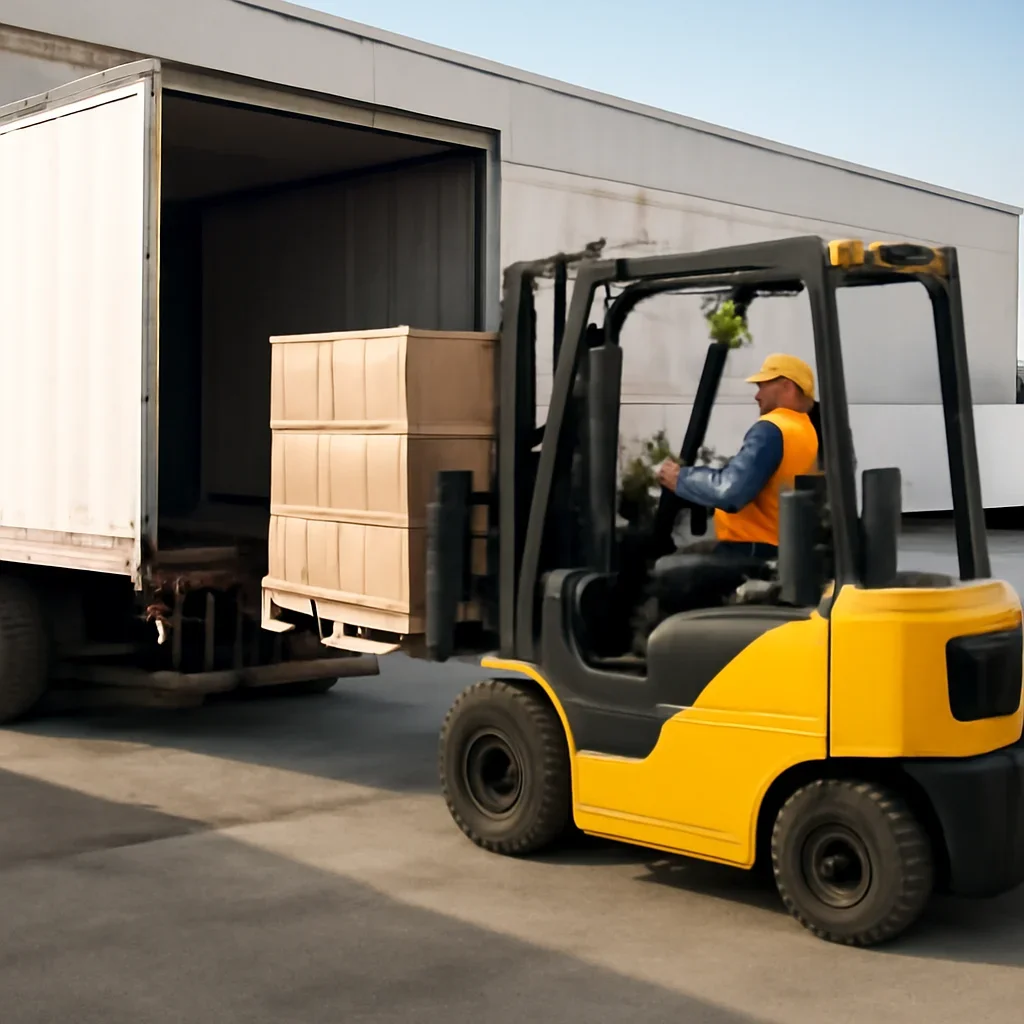
What We Consider Before Recommending a Path
Load size, travel distance, lift height, attachments, and the number of operators all affect the best answer.
Warehouse aisles, yard surfaces, dock traffic, weather exposure, and flooring conditions can completely change equipment fit.
Some situations call for immediate rental coverage, while others justify longer planning around ownership, service, or phased replacement.
Build a More Usable Plan
Loading Dock Operations work best when the solution is practical enough for operations, supervisors, and purchasing teams to use. Our process keeps the conversation centered on the work, the timeline, and the amount of flexibility you actually need.
Related pages such as Forklift Rentals, Fleet Management, and Pricing can help you compare the next move.

Common Questions
Is loading dock operations only for large operations?
No. Smaller businesses can benefit just as much when the equipment decision affects daily flow, seasonal planning, or replacement timing.
Do you help with both equipment and service planning?
Yes. The strongest solution usually includes some mix of rental, purchase, parts, planned maintenance, repair readiness, or fleet review.
Can the plan change later?
Yes. A good solution should leave room for operational changes instead of locking the business into the wrong path.
What should I share first?
Start with the loads, lift heights, environment, schedule, and the problem you are trying to solve. That is enough to begin.
Support Beyond a Single Transaction
Our role is not limited to the first quote. We help customers think through the follow-up questions that affect uptime later, including service response, parts support, maintenance rhythm, and when a temporary solution should become a permanent one.