Kansas warehouse technology guide
Is Kansas Ready for Lithium-Ion Technology?
The material handling industry is changing rapidly. Across North America, warehouses are replacing traditional internal combustion forklifts with electric models powered by advanced lithium-ion batteries.
While many Canadian distribution centres and manufacturing facilities have already embraced this transition, businesses throughout Kansas are asking an important question: Is now the right time to make the switch?
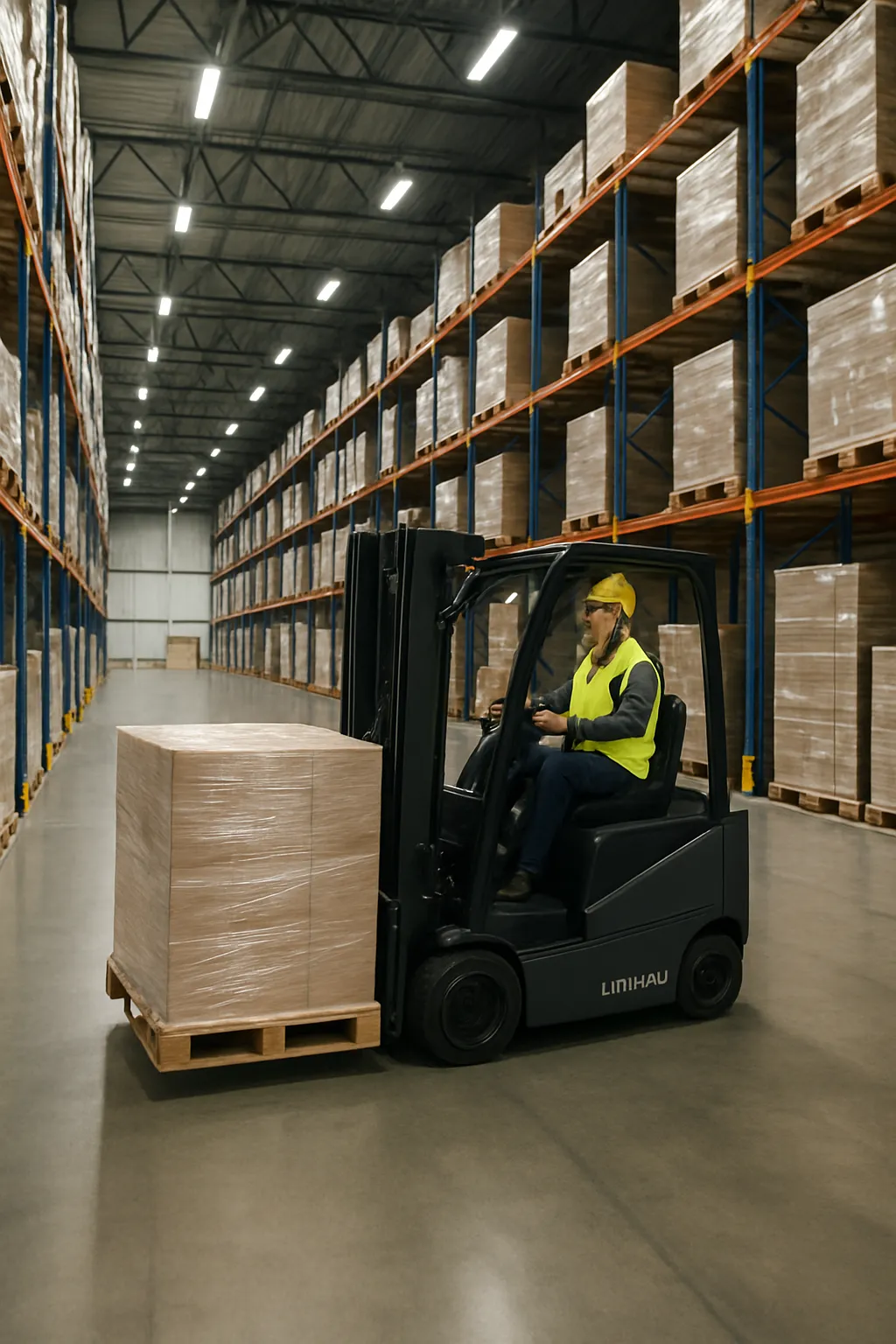
Is lithium-ion equipment right for Kansas warehouses?
For warehouses evaluating long-term operating costs, sustainability goals, and workforce productivity, the answer depends on more than the price of a new forklift.
Infrastructure, charging capabilities, operating environments, and daily workload all play a role in determining whether electric equipment is the right investment.
Why electric forklifts are gaining momentum
Several industry trends are driving increased adoption of electric forklifts.
Lower ongoing expenses
Businesses are looking to reduce fuel expenses, maintenance costs, and the financial impact of equipment downtime.
Cleaner indoor operations
Electric equipment can improve indoor air quality while reducing noise and vibration around employees.
Improved productivity
Faster charging and minimal battery maintenance can help keep equipment available throughout demanding shifts.
Lithium-ion battery technology has improved dramatically. Faster charging times, longer battery life, and minimal maintenance requirements have made electric forklifts a practical solution for many warehouse operations.
Why Kansas businesses are paying attention
Kansas is home to a diverse economy that includes manufacturing, food processing, agriculture, logistics, and distribution.
As e-commerce continues to grow, many businesses are modernizing their warehouse operations to improve efficiency and remain competitive.
Facilities operating indoors often find electric forklifts particularly attractive because they produce zero tailpipe emissions and operate much more quietly than propane-powered units.
For companies with sustainability initiatives or indoor food-grade operations, these advantages are becoming increasingly valuable.
Infrastructure is the biggest consideration
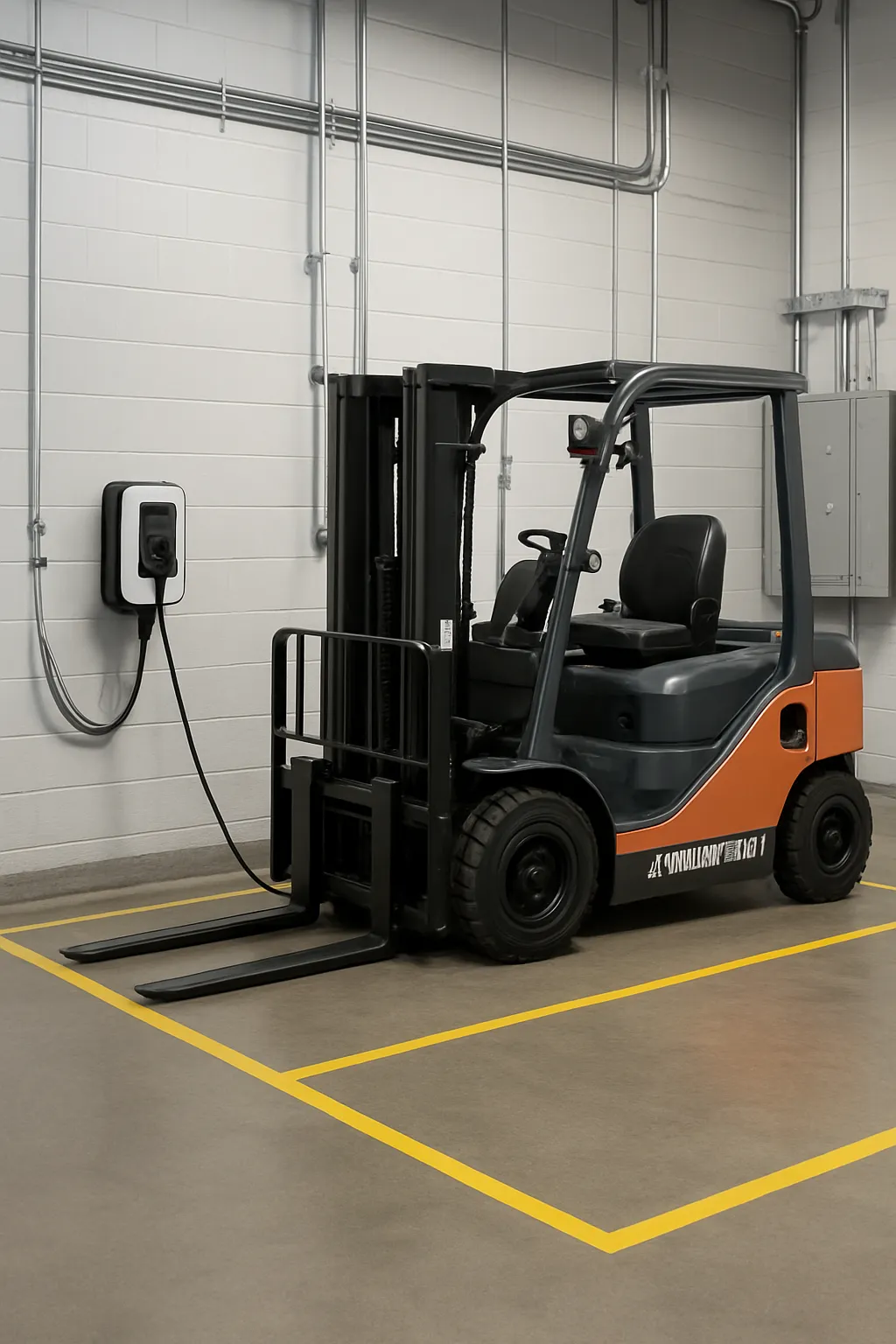
Unlike propane forklifts, electric fleets require charging infrastructure.
Although installing charging stations requires an upfront investment, many organizations recover these costs through lower operating expenses over the life of the equipment.
Planning infrastructure before purchasing forklifts helps ensure a smooth transition.
- Available electrical capacity
- Charging station locations
- Shift schedules
- Battery charging times
- Ventilation requirements
- Future fleet expansion
Comparing daily operations
Electric and propane forklifts each offer distinct advantages depending on operational needs.
Electric forklifts
Advantages include:
- Zero tailpipe emissions
- Quiet operation
- Lower maintenance requirements
- Fewer moving engine components
- Reduced vibration
- Lower long-term energy costs
Potential considerations:
- Charging infrastructure
- Battery replacement planning
- Charging schedules
Propane forklifts
Advantages include:
- Fast refueling
- Continuous operation with spare cylinders
- Strong outdoor performance
- High lifting capacity
Potential considerations:
- Fuel costs
- Engine maintenance
- Indoor ventilation requirements
- Emissions management
Choosing the right solution depends largely on how and where the equipment will operate.
Understanding total cost of ownership
Purchase price tells only part of the story. Organizations planning long-term investments should compare performance, run time, operating expenses, and total cost of ownership.
This comparison provides valuable insight into the financial differences between electric and propane equipment before making a purchasing decision.
- Fuel or electricity costs
- Routine maintenance
- Equipment lifespan
- Battery replacement
- Engine repairs
- Equipment downtime
- Productivity gains
Lithium-ion changes the equation
Older electric forklifts often required battery swaps and lengthy charging periods.
Modern lithium-ion technology has significantly improved electric forklift performance.
Opportunity charging
Operators can recharge equipment during scheduled breaks without completing a full charging cycle.
Consistent power delivery
Lithium-ion batteries can maintain more consistent performance throughout the operating cycle.
Reduced battery care
Minimal routine battery maintenance can simplify fleet management and reduce labour requirements.
Faster charging cycles, longer battery lifespan, consistent power delivery, and minimal battery maintenance reduce one of the traditional barriers to electric fleet adoption. Many warehouses operating multiple shifts now find lithium-ion systems practical for continuous daily operations.

Workforce benefits
Electric forklifts can also improve the workplace environment.
These factors contribute to operator comfort while supporting productivity throughout long workdays.
For facilities focused on employee retention and workplace safety, these benefits are becoming increasingly important.
- Lower noise levels
- Smoother acceleration
- Less vibration
- Improved visibility
- Cleaner indoor air
When propane still makes sense
Despite growing interest in electric equipment, propane forklifts remain an excellent choice for many Kansas businesses.
Businesses should evaluate actual operating conditions rather than assuming one technology fits every application.
- Outdoor operations
- Mixed indoor and outdoor environments
- Heavy lifting applications
- Remote locations
- Multi-shift operations without charging infrastructure
Planning for future growth
Technology continues to reshape warehouse operations. Automation, digital fleet management, and connected equipment increasingly integrate with modern electric forklifts.
Organizations planning warehouse expansions should consider whether today's infrastructure investments will support tomorrow's operational needs.
Preparing facilities for electric equipment now may simplify future upgrades while improving long-term efficiency.

Is Kansas ready?
For many warehouse operations, the answer is yes, but readiness depends on planning.
Assess the facility
Review electrical capacity, charging locations, operating environment, and available space.
Review fleet utilization
Examine daily operating hours, shift patterns, workloads, and current equipment performance.
Plan for growth
Consider budget, maintenance resources, fleet replacement schedules, and future expansion.
Some organizations may transition their fleets gradually, replacing propane units as they reach the end of their service life. Others may adopt a mixed fleet that combines both technologies depending on operational requirements.
Build the transition around real operating requirements
Electric forklifts powered by lithium-ion batteries are changing the future of material handling across North America. Lower operating costs, reduced maintenance, quieter operation, and improved sustainability make them an attractive option for many Kansas warehouses.
However, successful adoption requires thoughtful planning, especially when it comes to charging infrastructure and long-term operational needs.
Every facility has unique requirements, and selecting the right forklift depends on workload, environment, and business goals. For a comprehensive overview of All Forklift Classes, equipment comparisons, buying guides, and industry insights, visit Forklift Truck Canada to explore the resources available before making your next fleet investment.