
Blog • electric vs propane forklifts for warehouses
Electric vs Propane Forklifts for Kansas Warehouses
Electric vs Propane Forklifts for Kansas Warehouses matters when you want fewer surprises, better equipment decisions, and a clearer path from question to action.
Practical forklift decisions usually come down to a few factors that are easy to overlook when the team is busy. This guide keeps them in view.
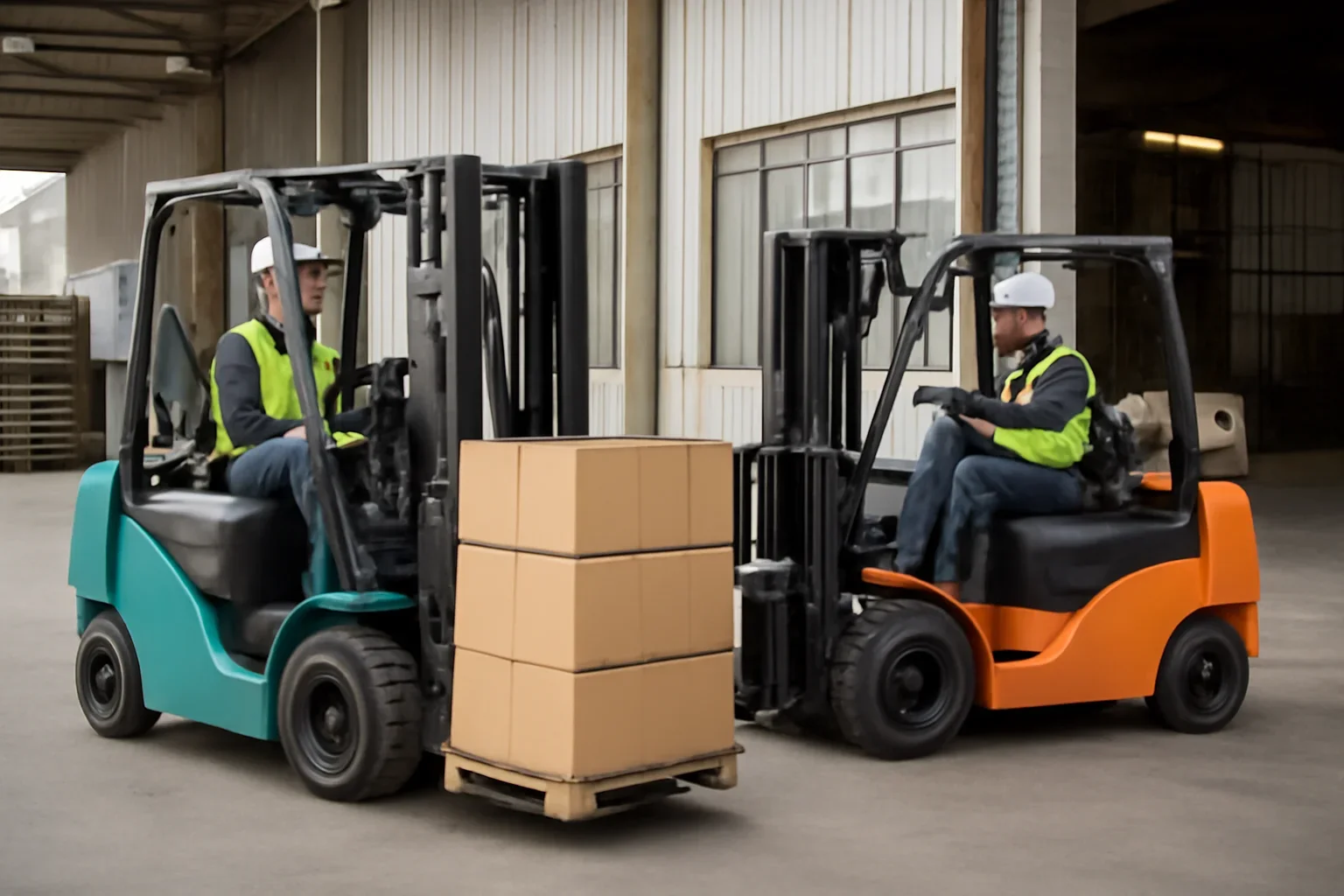
Electric forklifts in indoor spaces
Electric units often fit indoor warehouses well because they support cleaner operation, steady control, and quieter daily use. They work best when charging routines, battery care, and planned runtime are managed consistently.
Where propane still makes sense
Propane forklifts remain useful when the work is heavier, more variable, or less predictable from shift to shift. They can be a practical choice when refueling speed matters and charging infrastructure is limited.
Keep the Decision Grounded in the Application
Whether the topic is rental, tire choice, maintenance, battery care, or next-year planning, the best answer starts with the work itself. That means load profile, lift height, environment, runtime, operator habits, and the cost of downtime all need to be part of the conversation.
Teams usually get better results when they write those details down before requesting a quote or service review. Clear inputs almost always lead to better equipment decisions.

Think beyond fuel type
The right answer depends on aisle space, ventilation, operator habits, shift structure, maintenance discipline, and where the truck spends most of its time. Fuel choice should support the whole operation rather than follow a simple trend.
Plan for support, not just purchase
Electric fleets need battery and charger planning. Propane units need dependable maintenance and attention to wear under heavy use. Long-term satisfaction comes from aligning the support model with the truck type.
Common Questions
Who is this article for?
It is written for warehouse, yard, agricultural, industrial, and facilities teams that need clearer forklift decisions.
Can this article replace a direct equipment review?
No. It helps frame the right questions, but the best decision still depends on the actual loads, site, and schedule.
How do I use this guidance?
Use it to organize what you know, identify gaps, and move into a more focused rental, service, or purchase conversation.
What is the next step if I still have questions?
Reach out with the job details or the equipment issue and we will help narrow the next move.
Need a Practical Next Step?
Use this article to sharpen the questions, then move into Contact, Rental Quote Request, Service Request, or Parts Request depending on what the job needs next.