
Blog • how mobile forklift service reduces downtime
How Mobile Forklift Service Reduces Downtime
How Mobile Forklift Service Reduces Downtime matters when you want fewer surprises, better equipment decisions, and a clearer path from question to action.
Practical forklift decisions usually come down to a few factors that are easy to overlook when the team is busy. This guide keeps them in view.
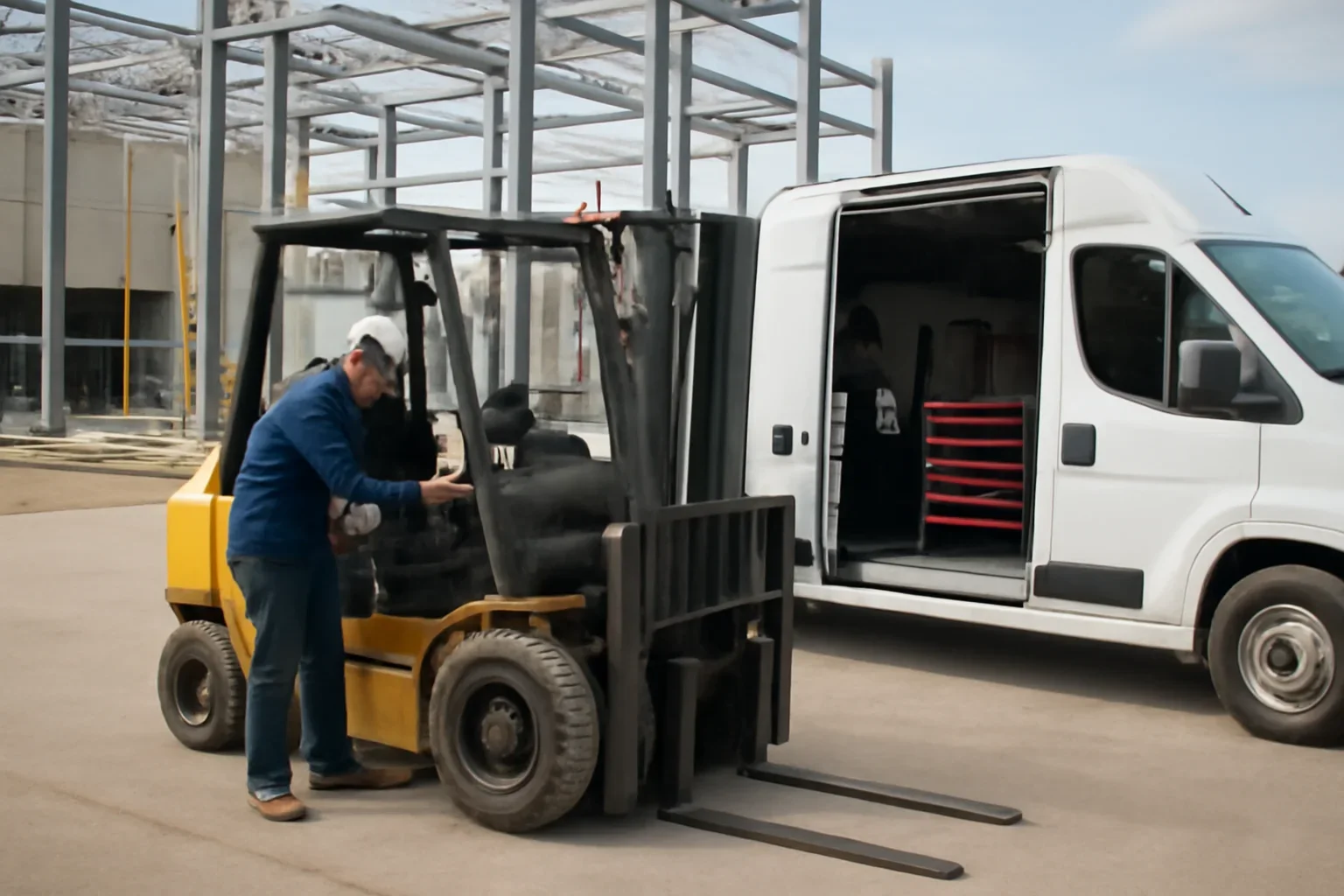
The truck gets attention where it works
Mobile service reduces lost time tied to hauling equipment away from the site when the issue can be handled on location. That keeps the repair conversation closer to the real operating conditions.
Diagnosis is easier with the environment in view
A technician who sees the floor, the loads, the operator pattern, and the surrounding workflow can often reach a clearer next step faster. Context matters when symptoms are intermittent or application-driven.
Keep the Decision Grounded in the Application
Whether the topic is rental, tire choice, maintenance, battery care, or next-year planning, the best answer starts with the work itself. That means load profile, lift height, environment, runtime, operator habits, and the cost of downtime all need to be part of the conversation.
Teams usually get better results when they write those details down before requesting a quote or service review. Clear inputs almost always lead to better equipment decisions.
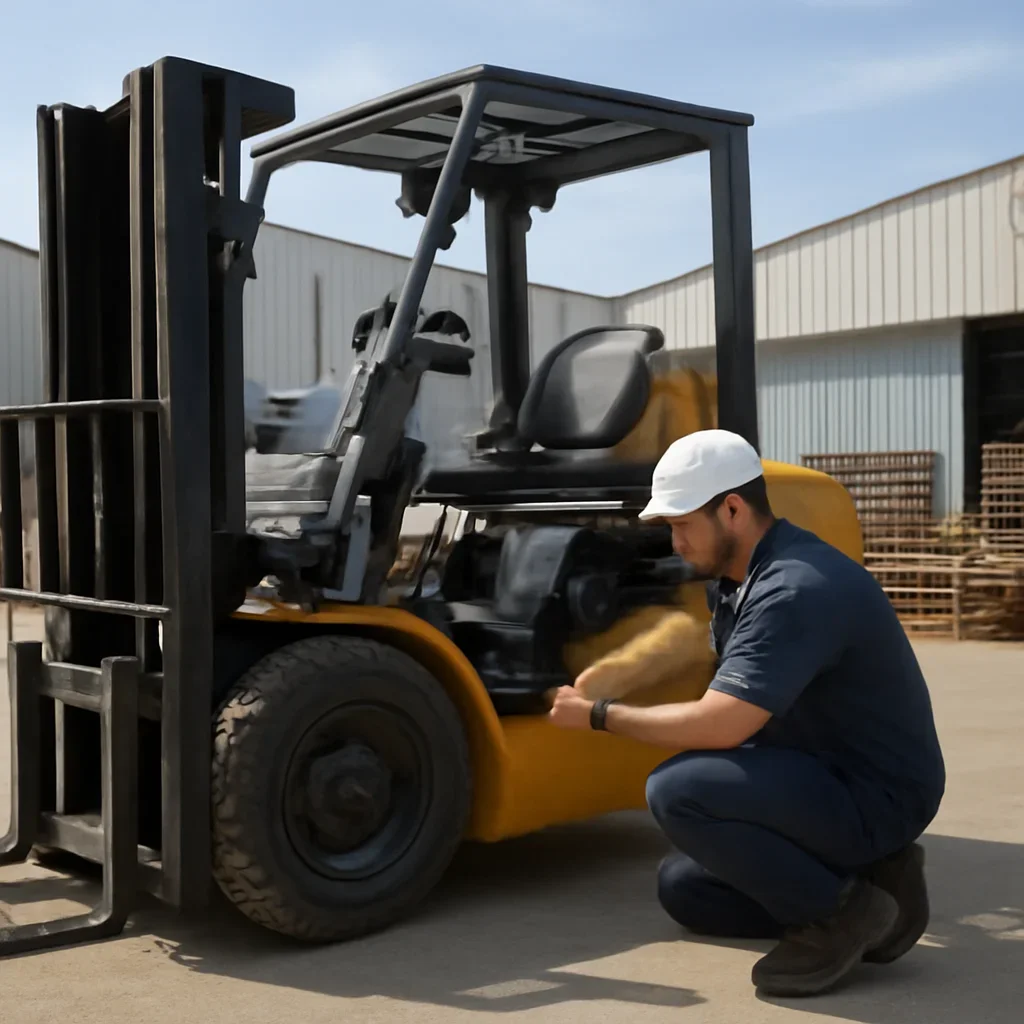
Field service helps control disruption
When the repair can be completed on site, the business avoids added scheduling layers. Even when a larger repair is needed, field diagnosis shortens the path to the right decision.
Mobile service works best with good information
The faster you can share the model, serial, symptoms, and urgency, the easier it is to keep the service response focused.
Common Questions
Who is this article for?
It is written for warehouse, yard, agricultural, industrial, and facilities teams that need clearer forklift decisions.
Can this article replace a direct equipment review?
No. It helps frame the right questions, but the best decision still depends on the actual loads, site, and schedule.
How do I use this guidance?
Use it to organize what you know, identify gaps, and move into a more focused rental, service, or purchase conversation.
What is the next step if I still have questions?
Reach out with the job details or the equipment issue and we will help narrow the next move.
Need a Practical Next Step?
Use this article to sharpen the questions, then move into Contact, Rental Quote Request, Service Request, or Parts Request depending on what the job needs next.