Kansas agricultural equipment guide
Kansas Farm Forklifts: Diesel vs. Rough Terrain
Kansas has long been recognized as one of North America's agricultural powerhouses. From wheat and corn to soybeans and livestock, farms across the state depend on reliable equipment to keep operations moving throughout the year.
Material handling is a vital part of this process, and forklifts play an important role in transporting seed, fertilizer, feed, pallets, machinery parts, and harvested crops.

Matching the forklift to the farm environment
Unlike traditional warehouse environments, agricultural operations present unique challenges that require specialized equipment. Uneven terrain, changing weather conditions, heavy loads, and long operating hours all influence the type of forklift that performs best.
For Kansas farm owners, choosing between diesel-powered forklifts and rough terrain models is more than a purchasing decision—it is an investment in productivity, safety, and long-term operating efficiency.
Agricultural operations demand different equipment
Forklifts used on farms work in environments that differ significantly from manufacturing facilities or distribution centres.
These environments require forklifts that can maintain traction, stability, and lifting performance despite unpredictable ground conditions.
Selecting equipment designed for these challenges helps reduce downtime while improving operator safety.
- Gravel roads
- Dirt surfaces
- Mud after rainfall
- Uneven fields
- Outdoor storage yards
- Grain elevators
- Equipment sheds
- Livestock facilities
Why rough terrain forklifts are popular on farms
Many Kansas agricultural businesses rely on specialized outdoor equipment capable of handling difficult operating conditions.
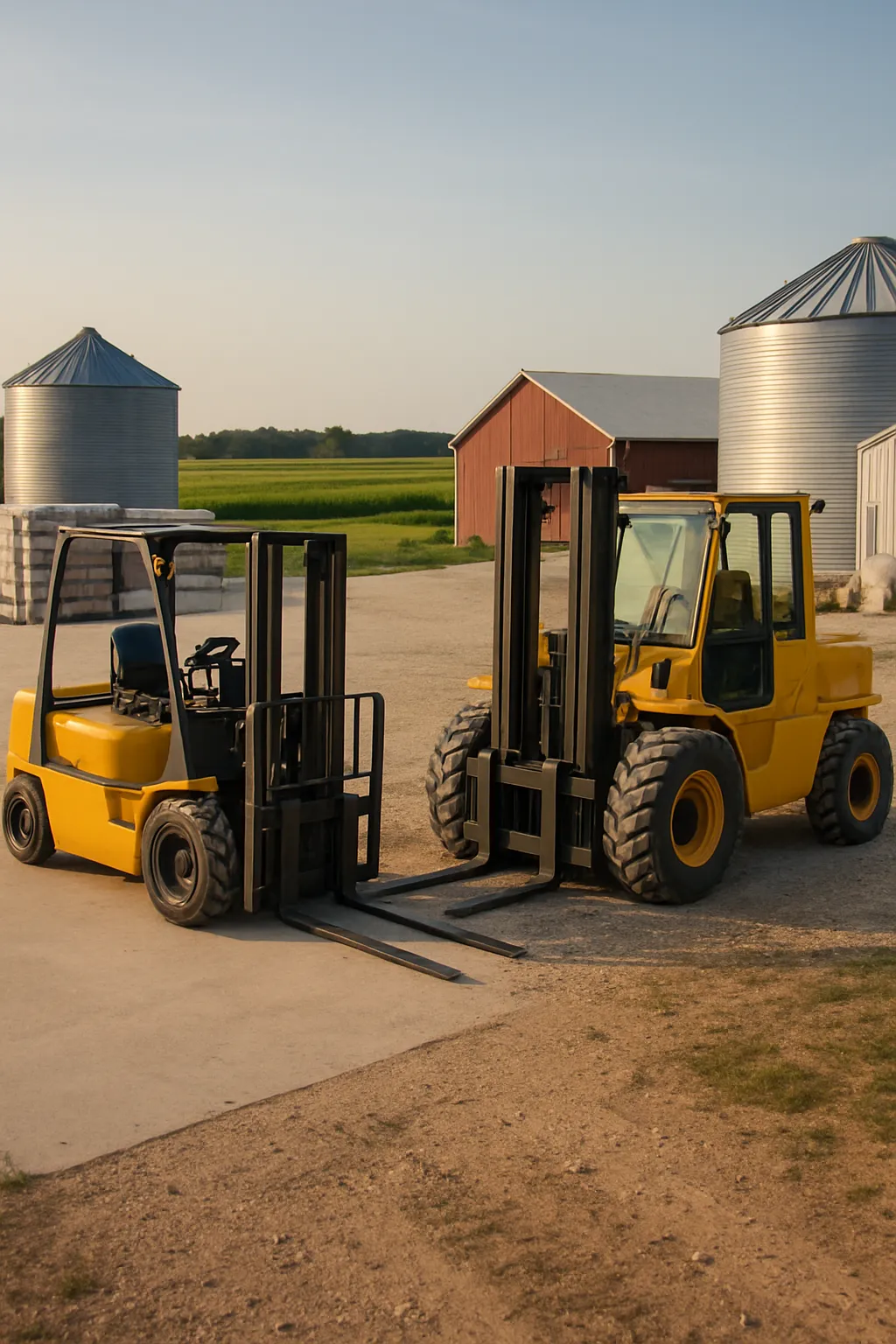
A Rough Terrain Forklift is specifically engineered for environments where standard warehouse forklifts would struggle.
Large pneumatic tires
Larger tires help the forklift travel across gravel, packed soil, uneven yards, and other outdoor farm surfaces.
Increased ground clearance
Additional clearance helps protect the undercarriage when operating over ruts, transitions, and changing ground conditions.
Heavy-duty construction
Strong frames, durable components, and four-wheel-drive options support demanding outdoor applications.
These machines are commonly used for transporting pallets of seed, fertilizer, irrigation supplies, fencing materials, and harvested products across farms and construction-style work areas.

Grain elevators present unique challenges
Grain handling facilities operate under demanding conditions. Forklifts working around grain elevators frequently encounter dust, outdoor weather, and uneven loading areas.
Equipment must remain dependable while safely handling heavy loads throughout busy harvest seasons.
- Bulk seed
- Grain totes
- Feed pallets
- Chemical containers
- Maintenance equipment
Why diesel continues to play an important role
Although electric forklifts continue to grow in popularity for warehouse applications, diesel-powered equipment remains a preferred choice for many agricultural businesses.
When evaluating heavy-duty performance, many operators continue choosing a Diesel Forklift because of its strong torque, extended operating time, and ability to handle demanding outdoor workloads.
These characteristics make diesel equipment well suited for large farms where forklifts may operate continuously throughout the day.
- High lifting capacities
- Excellent pulling power
- Long operating hours
- Fast refueling
- Reliable outdoor performance
Comparing rough terrain and diesel forklifts
Although these categories often overlap, they are designed to solve different operational needs.
Rough terrain forklifts
Best suited for:
- Uneven ground
- Muddy conditions
- Construction-style environments
- Outdoor material transport
- Farms with challenging terrain
Diesel forklifts
Ideal for:
- Heavy pallet movement
- Long work shifts
- Outdoor storage yards
- Grain handling facilities
- High-capacity lifting
Some operations may even benefit from combining both equipment types, depending on seasonal workloads, site conditions, and the materials being moved.
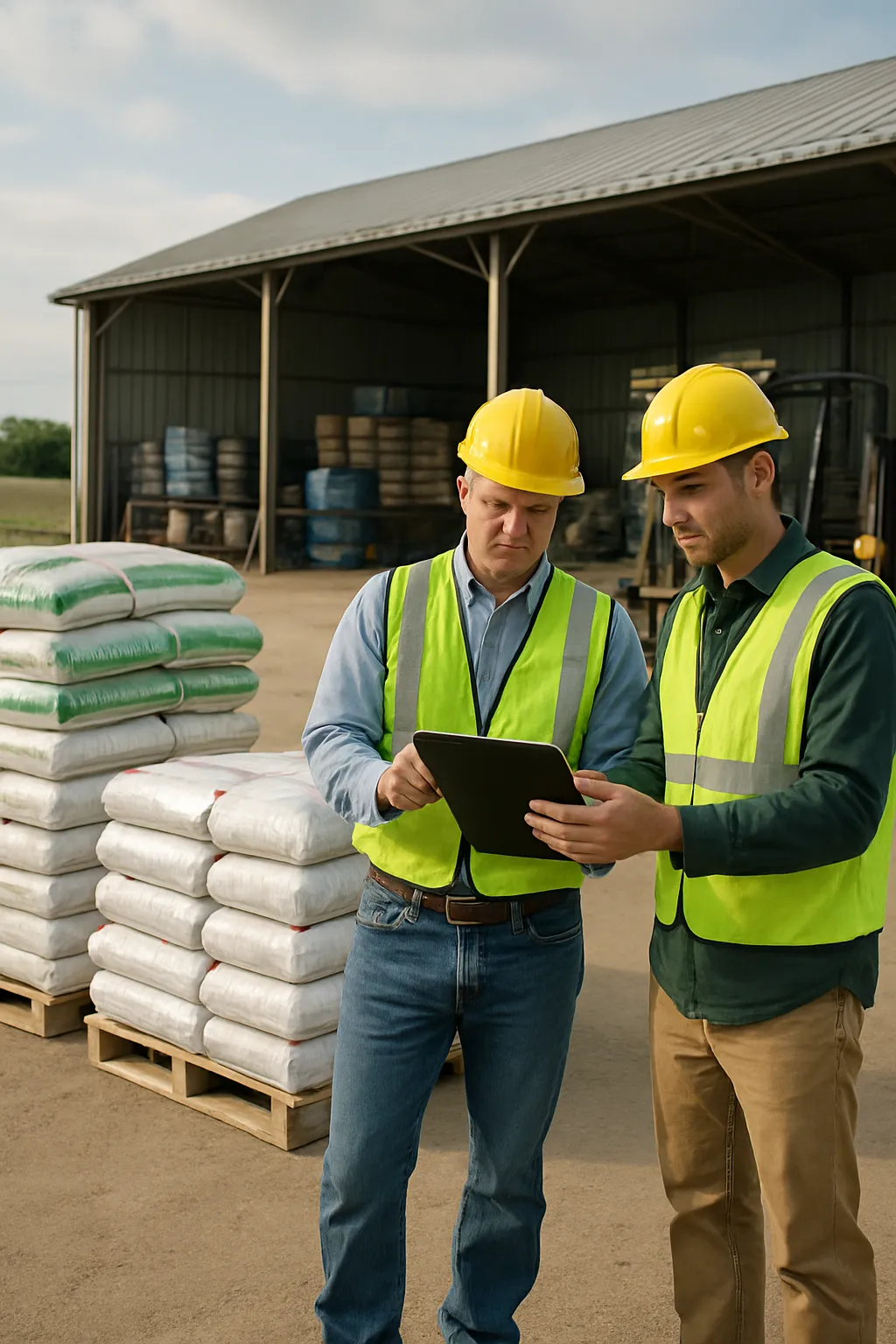
Safety remains a top priority
Agricultural operations create hazards that differ from those found inside warehouses. Conditions can change throughout the day and throughout the farming season.
Because conditions change throughout the year, refresher training is equally important.
- Driving on uneven surfaces
- Load stability on slopes
- Weather-related hazards
- Visibility around equipment
- Safe loading procedures
- Daily inspections
- Pedestrian awareness
Choosing the right capacity
Selecting the proper lifting capacity helps protect both workers and equipment.
Buying equipment with insufficient capacity can reduce productivity while increasing safety risks.
- Maximum load weight
- Bale sizes
- Seed and fertilizer pallets
- Bulk containers
- Attachment requirements
- Future equipment needs
Total cost of ownership
Purchase price represents only one part of the investment. Kansas businesses should evaluate both the immediate cost and the long-term expense of keeping the forklift productive.
- Fuel costs
- Maintenance expenses
- Tire replacement
- Expected operating hours
- Service availability
- Equipment reliability
- Parts accessibility
- Resale value
A forklift that performs reliably during harvest can often deliver greater long-term value than a lower-priced alternative requiring frequent repairs.
Planning for seasonal demand
Agricultural operations rarely experience consistent workloads throughout the year.
Selecting forklifts capable of handling seasonal demand helps minimize disruptions when productivity matters most.
- Longer operating hours
- Additional operators
- Temporary employees
- Increased equipment utilization

Looking beyond Kansas
Although farming conditions vary across North America, many of the same equipment considerations apply.
Canadian grain producers, livestock operations, and agricultural businesses rely on durable forklifts that can handle demanding outdoor environments and heavy workloads.
Forklift Truck Canada provides valuable industry insights on equipment specifications, safety considerations, and operational best practices, helping buyers make more informed purchasing decisions.
By learning from broader North American experience, Kansas businesses can evaluate forklift options based on real-world performance, reliability, and long-term value rather than marketing claims alone.
Choose equipment around the realities of the operation
Kansas farms operate in challenging environments where equipment reliability directly affects productivity and profitability. Whether moving grain, fertilizer, seed, livestock supplies, or heavy materials, selecting the right forklift requires careful consideration of terrain, lifting capacity, fuel type, and operating conditions.
For many agricultural operations, rough terrain forklifts provide the stability needed for uneven surfaces, while diesel forklifts continue to deliver dependable performance for heavy-duty outdoor work.
By matching equipment to the realities of farm operations, businesses can improve safety, reduce downtime, and maximize the return on every equipment investment.