
Blog • used forklift inspection checklist
Used Forklift Inspection Checklist Before You Buy
Used Forklift Inspection Checklist Before You Buy matters when you want fewer surprises, better equipment decisions, and a clearer path from question to action.
Practical forklift decisions usually come down to a few factors that are easy to overlook when the team is busy. This guide keeps them in view.
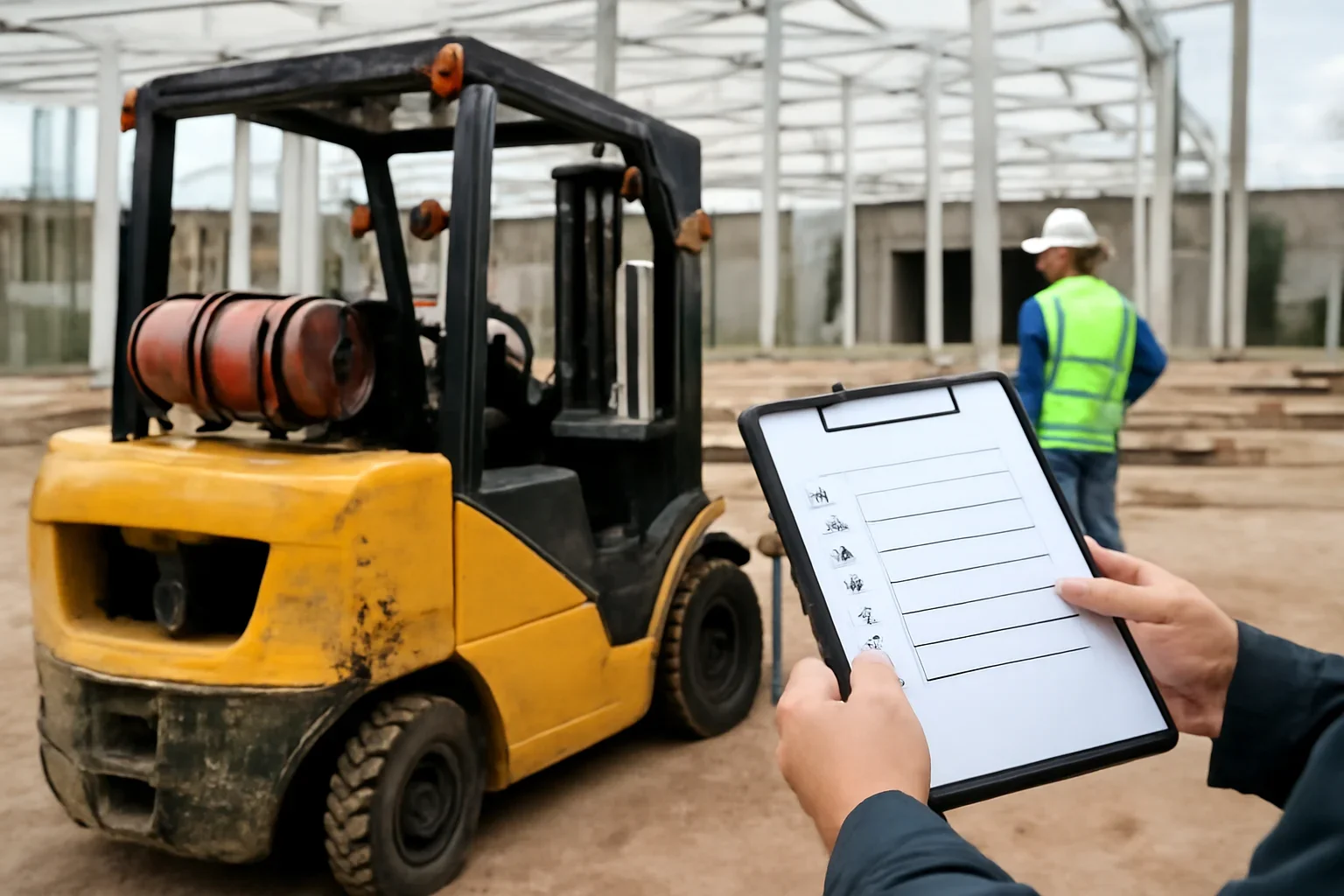
Start with the operating history you can verify
Ask what the truck has been used for, where it worked, and how it was maintained. A used forklift that spent its life in a controlled warehouse may tell a different story than one that ran hard outdoors.
Inspect the mast, forks, tires, and frame
Visible wear matters. Look for fork damage, uneven tire wear, mast issues, leaks, and signs of rough handling. Cosmetic wear is one thing. Structural or repetitive wear patterns deserve more attention.
Keep the Decision Grounded in the Application
Whether the topic is rental, tire choice, maintenance, battery care, or next-year planning, the best answer starts with the work itself. That means load profile, lift height, environment, runtime, operator habits, and the cost of downtime all need to be part of the conversation.
Teams usually get better results when they write those details down before requesting a quote or service review. Clear inputs almost always lead to better equipment decisions.
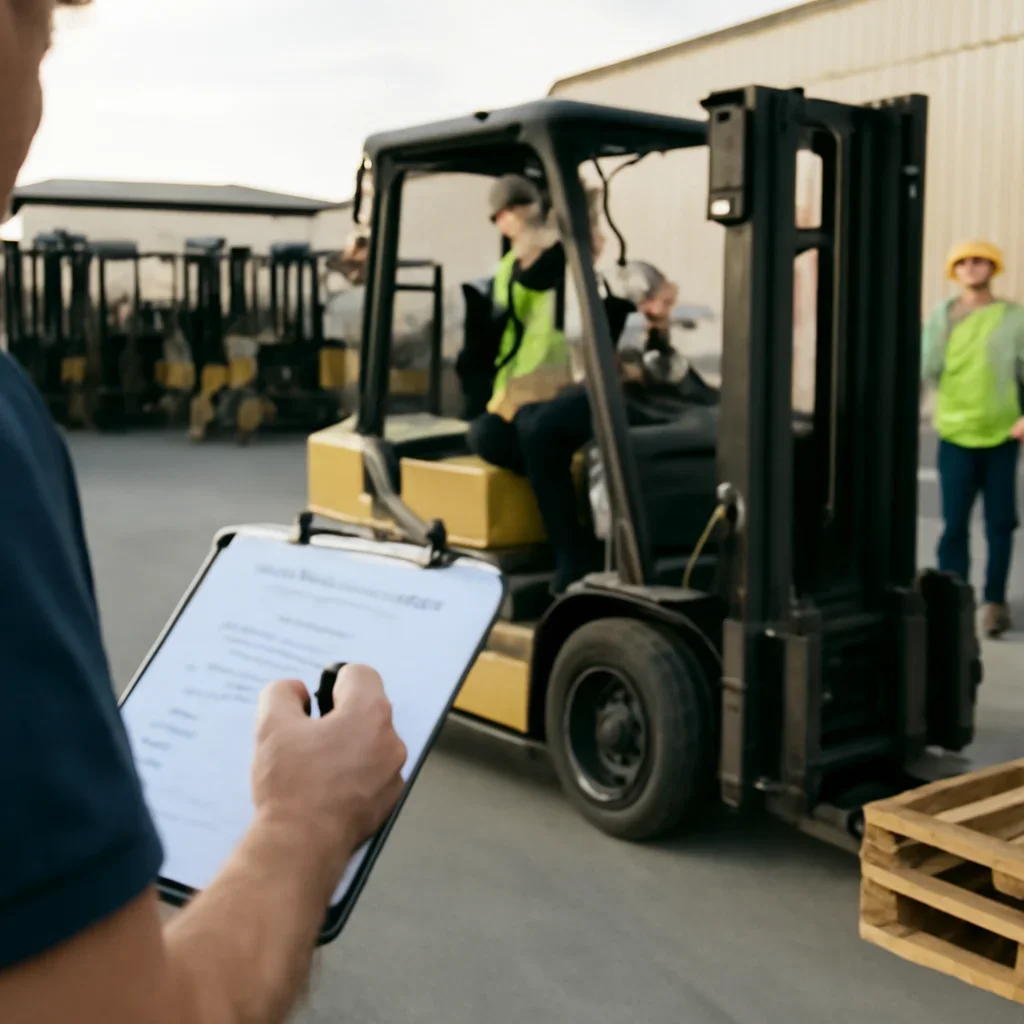
Check how the truck behaves under load and movement
A forklift can look acceptable at rest and still show problems once it starts lifting, steering, braking, and traveling. Listen for hesitation, harsh movement, or warning signs that suggest more repair work is waiting.
Review the next-step cost, not just the sale price
A used truck with the lowest sticker price can become expensive quickly if tires, battery work, repairs, or immediate maintenance are already overdue. Price only matters in context.
Common Questions
Who is this article for?
It is written for warehouse, yard, agricultural, industrial, and facilities teams that need clearer forklift decisions.
Can this article replace a direct equipment review?
No. It helps frame the right questions, but the best decision still depends on the actual loads, site, and schedule.
How do I use this guidance?
Use it to organize what you know, identify gaps, and move into a more focused rental, service, or purchase conversation.
What is the next step if I still have questions?
Reach out with the job details or the equipment issue and we will help narrow the next move.
Need a Practical Next Step?
Use this article to sharpen the questions, then move into Contact, Rental Quote Request, Service Request, or Parts Request depending on what the job needs next.